CALM AI for Teachers & Schools
Where does AI belong in your classroom?
I help teachers and school leaders make practical decisions about AI while protecting learning, professional judgment, and the human work of teaching.
Kristina Stone LeCrone
University professor · Author · 35 years in classrooms
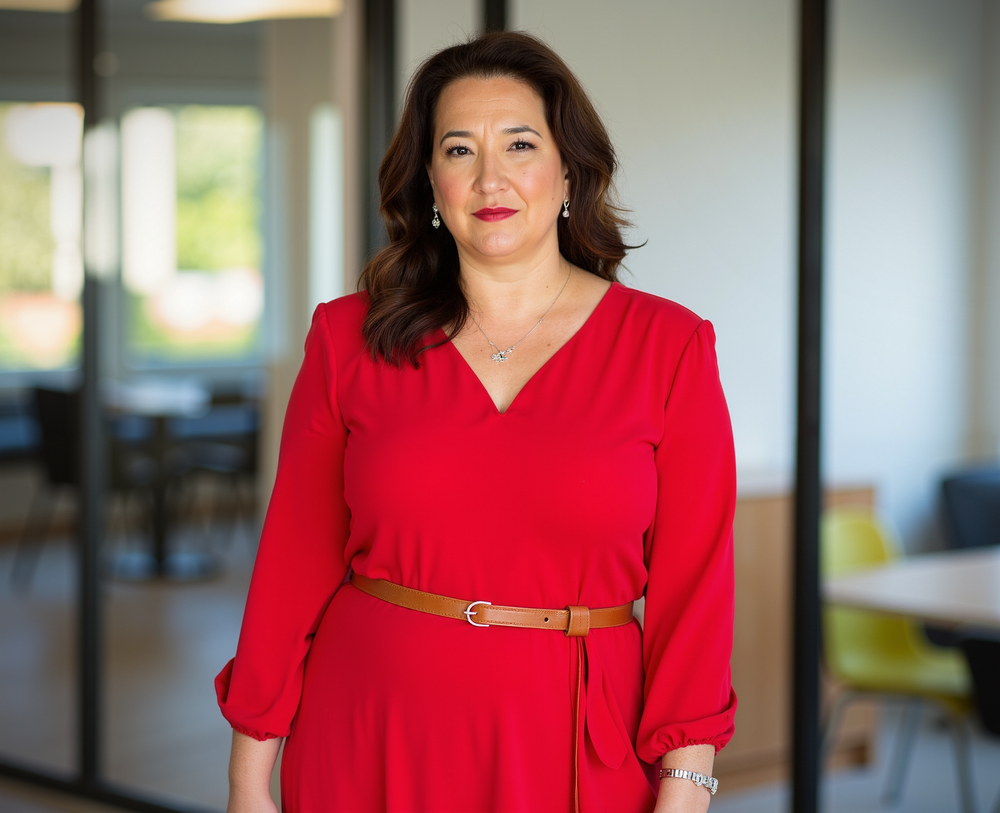
Start where you are
What kind of support would help?
For individual educators
Let’s think through your classroom questions.
Join fellow teachers in the free AI Faculty Break Room, explore practical resources, or find a book for the decision you are working on.
Find support for your teachingFor schools, districts & universities
Let’s give your staff a useful starting point.
Bring CALM AI to your team through a keynote, a workshop, or consulting focused on the decisions your educators face.
Explore speaking & consultingThe CALM AI Framework
Three questions. Room for your judgment.
You know your students. These questions help you decide where AI supports their learning and where the work needs to stay human.
What belongs to AI?
Consider the tasks where AI can help without taking the learning away.
What belongs to the teacher? and
Protect your judgment, relationships, and responsibility for the classroom.
How does learning stay at the center of the classroom?
Ask what students will think through, practice, and understand.
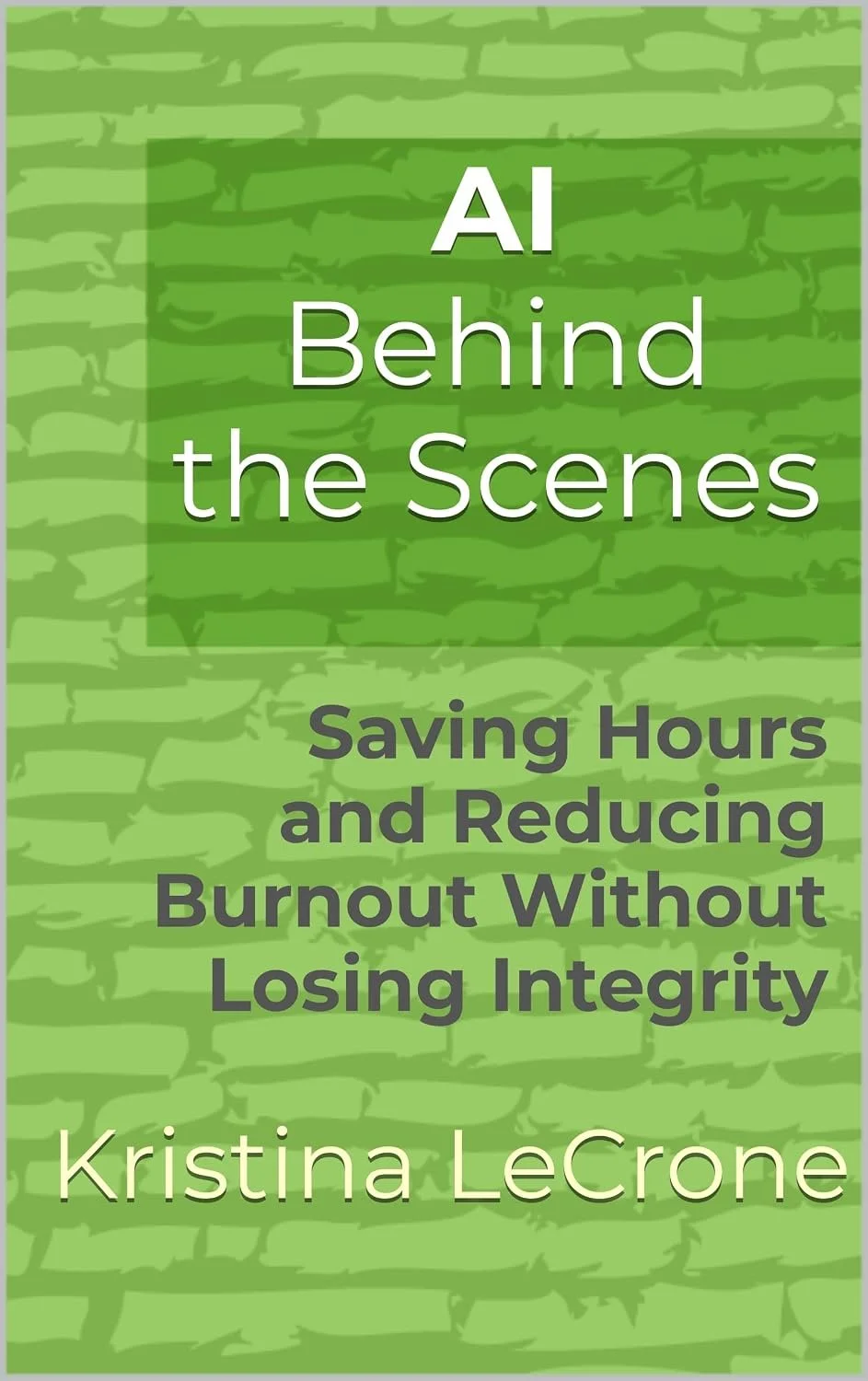
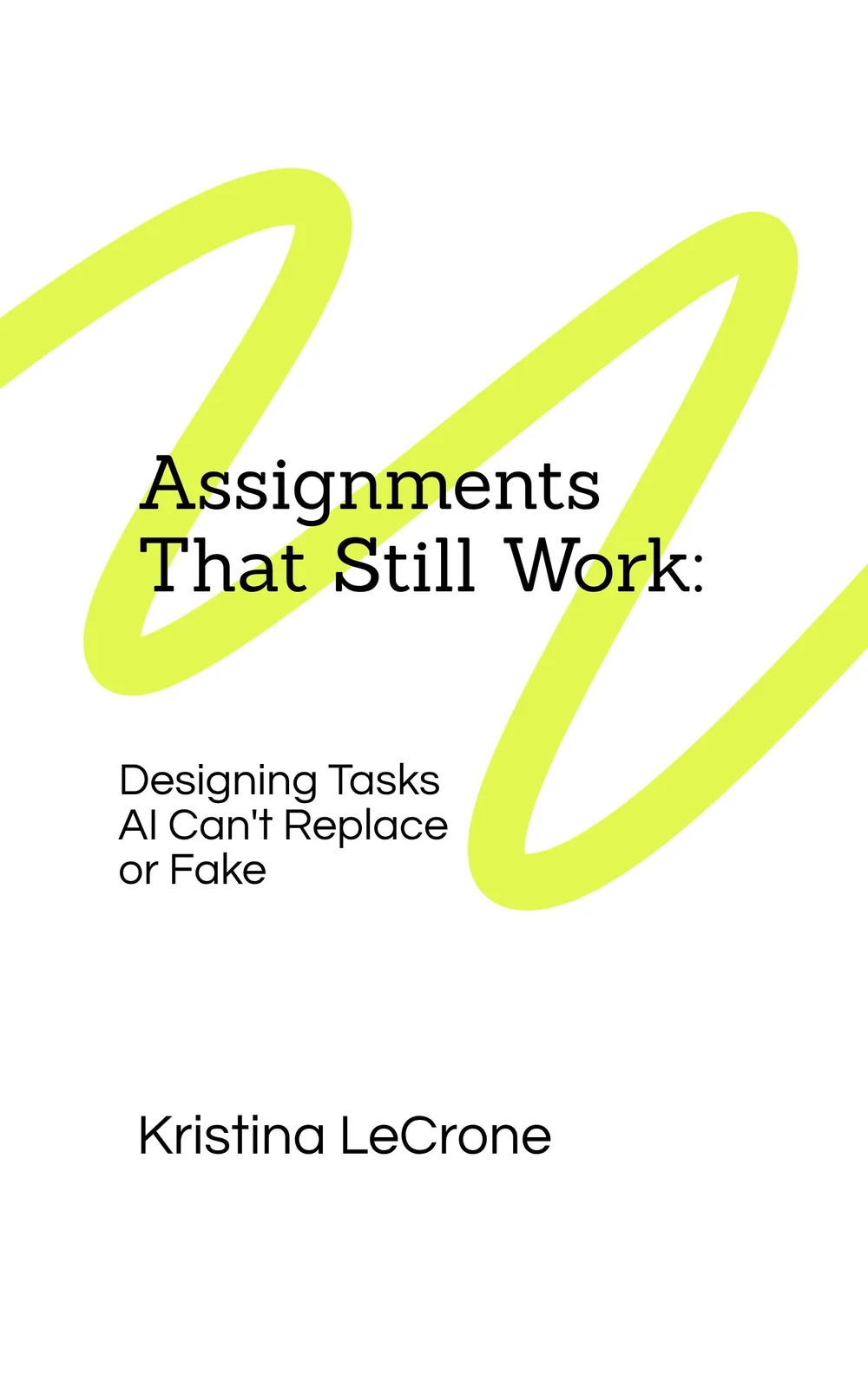
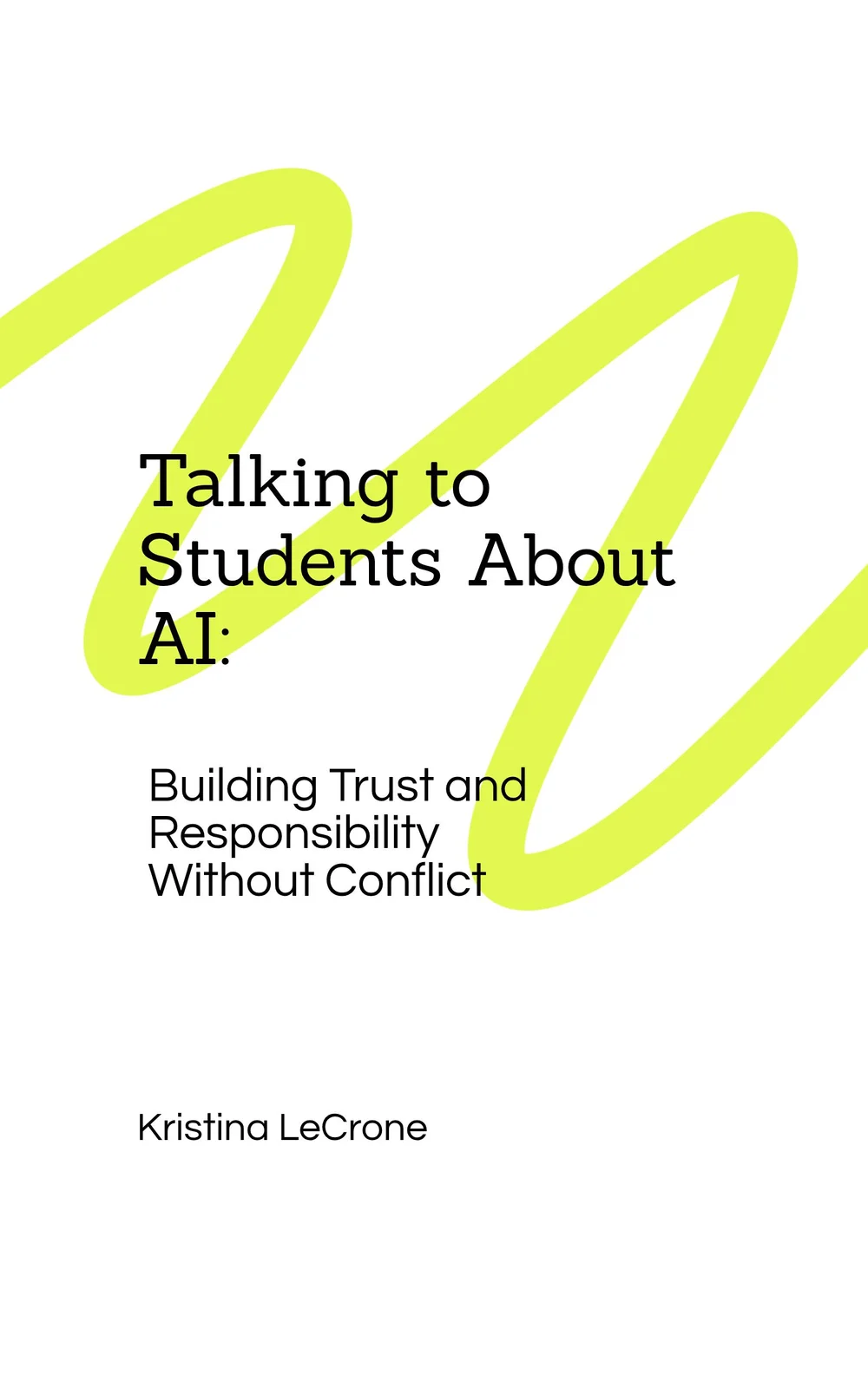
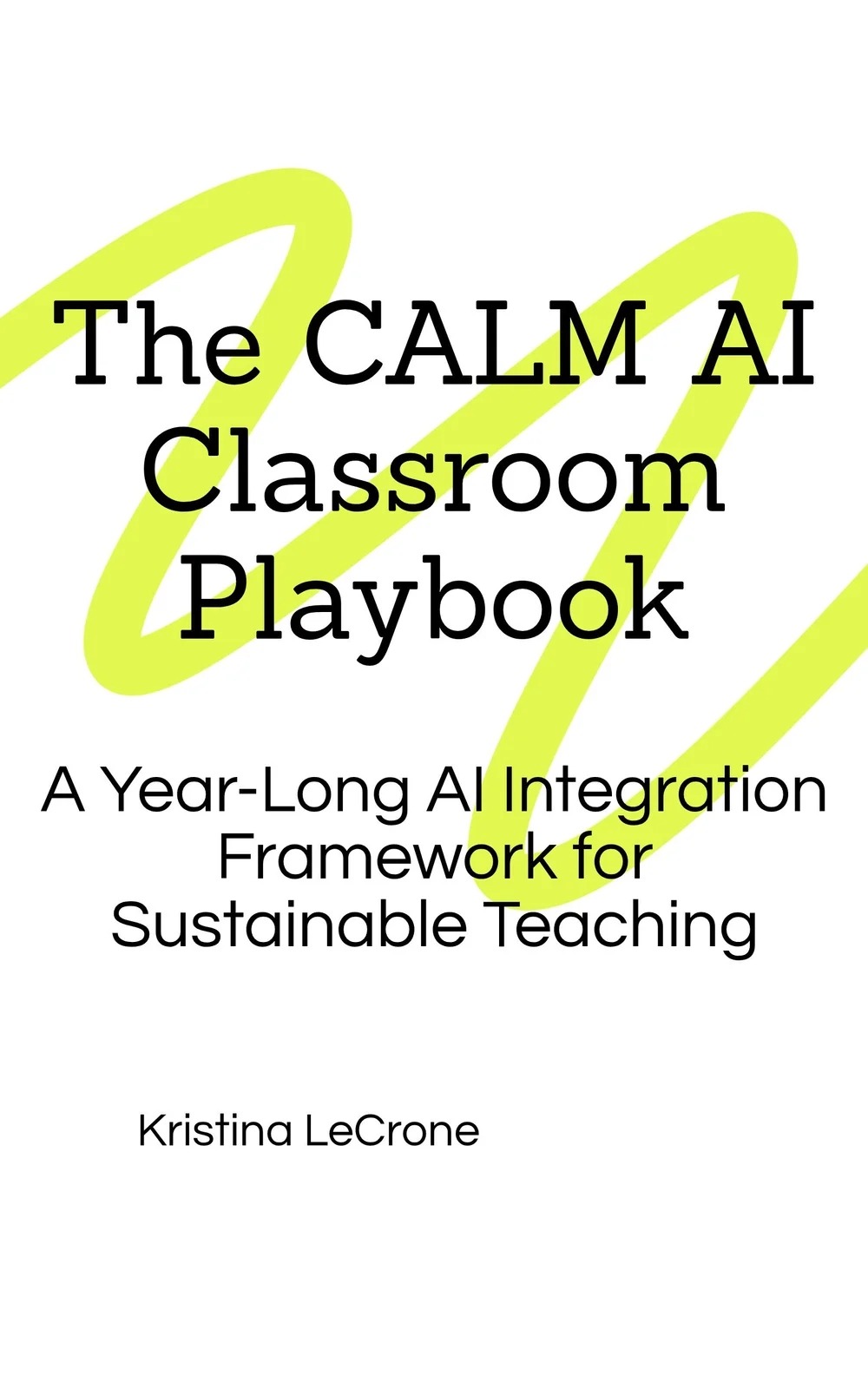
The five-book series
Support for the decisions you make every day.
Start with the question on your desk, whether it is an assignment, a classroom conversation, or the work that follows you home.
Explore the books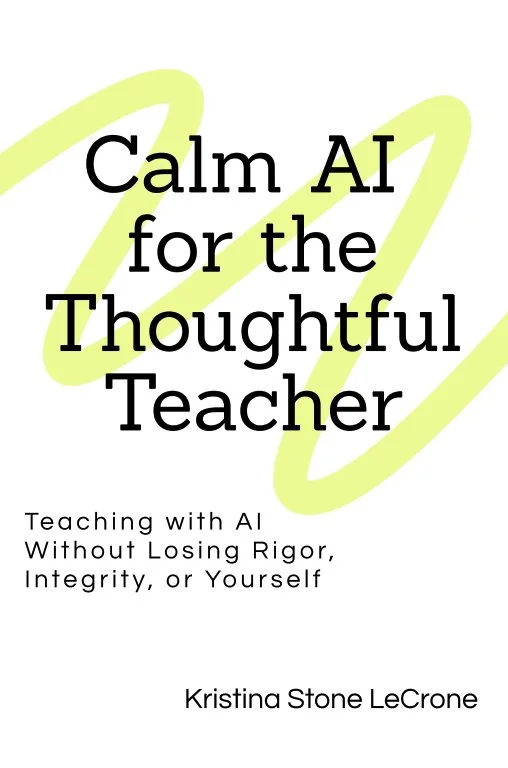
Meet Kristina
There is a teacher behind all of this.
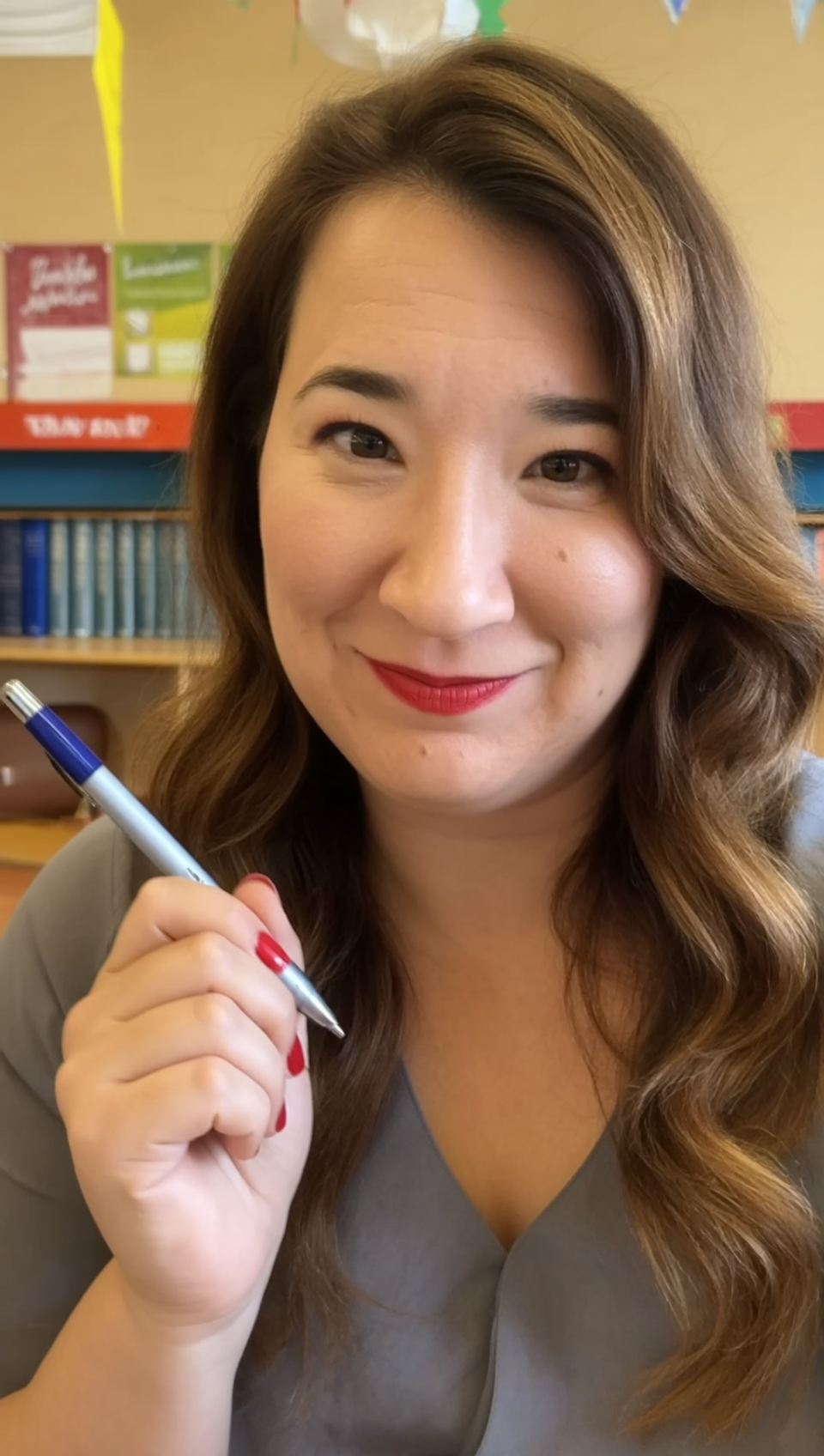
I’m Kristina Stone LeCrone. My 35 years in classrooms have taken me to Alaska, the Marshall Islands, Korea, and Idaho.
I created CALM AI to help thoughtful educators use AI without losing rigor, integrity, or themselves. Teaching is personal. The decisions we make about AI should respect that.
A little more about meFrom the blog
Let’s think this through.
Classroom questions, assignment decisions, and the policies that shape our work. Here is what I have been writing about.
Visit the blog →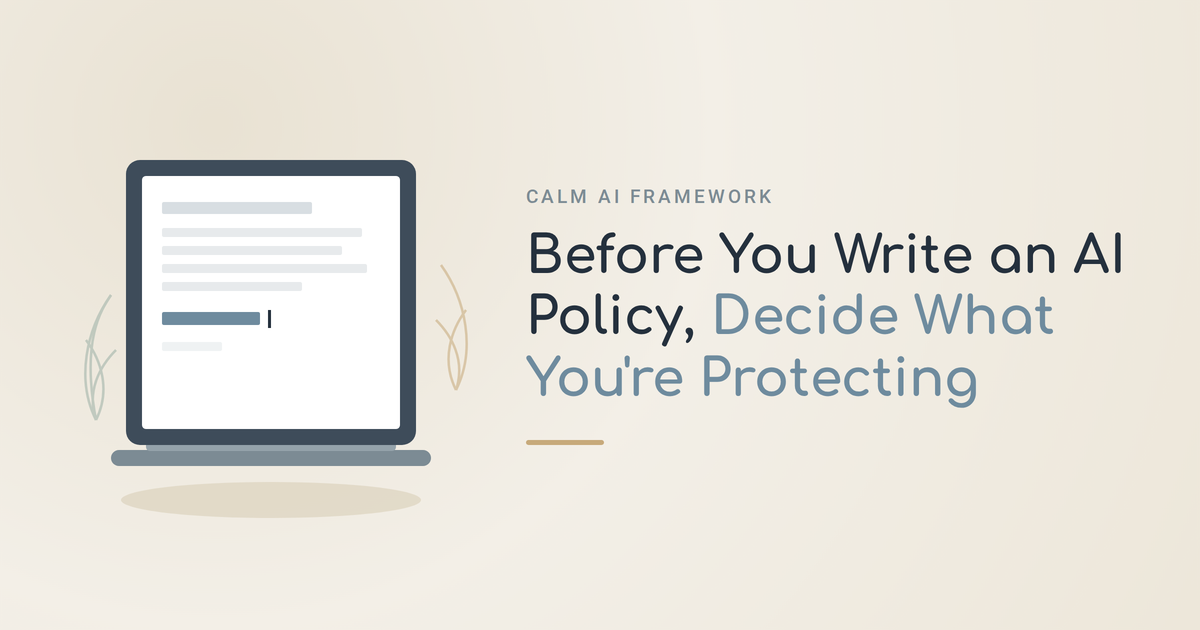
A place to begin
What would help you take the next step?
A conversation with other teachers, or a conversation about your staff? There is room for both here.
When student work feels too polished, the most useful first step usually isn't a detector. It's a closer look at the assignment, plus one small change that makes learning visible again.